
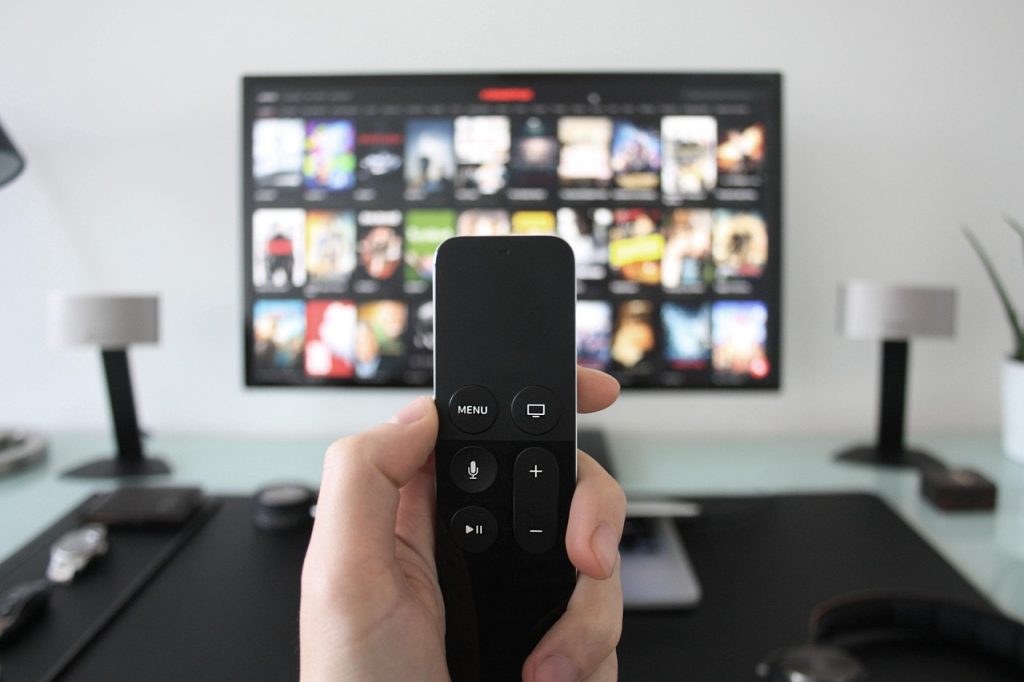
Television has evolved significantly over the past few decades. Traditional broadcasting methods once dominated the entertainment landscape, delivering content through terrestrial signals, cable networks, or satellite systems. Today, internet connectivity has transformed the way people access and consume media, creating more flexible viewing experiences across a variety of devices.
As streaming technology has become more widespread, consumers have gained access to on-demand content, live channels, and personalized viewing options. Among the technologies driving this change is IPTV, a system that delivers television programming through internet networks rather than conventional broadcasting infrastructure.
Understanding how this technology works can help viewers make informed decisions about their entertainment options. By learning the fundamentals behind internet-based television delivery, users can better evaluate available services, understand performance requirements, and appreciate the innovations shaping modern media consumption.
What Is Internet-Based Television?
Internet-based television is a method of delivering television content through internet protocol networks. Instead of transmitting signals through traditional satellite dishes, cable lines, or terrestrial broadcast towers, content is sent through a broadband internet connection.
This approach allows viewers to receive television programming using a variety of internet-connected devices, including smart TVs, streaming boxes, smartphones, tablets, and computers.
Unlike conventional broadcasting systems that send all available channels simultaneously, internet-based delivery can provide content only when requested. This creates a more efficient and personalized viewing experience while reducing the need for specialized infrastructure.
The technology relies on data packets, similar to those used when browsing websites, sending emails, or accessing online applications. These packets travel across networks and are reassembled into video streams on the user’s device.
How Content Is Delivered Through the Internet
The process begins when television content is captured, encoded, and prepared for digital distribution. Broadcasters, content creators, or media providers convert video signals into digital formats that can be transmitted efficiently across internet networks.
Once encoded, the content is stored on servers or distributed through content delivery networks. These systems are designed to move large volumes of video data while maintaining consistent playback quality.
When a viewer selects a channel or program, a request is sent from the device to the provider’s servers. The requested content is then delivered over the internet in real time.
Modern delivery systems often adjust video quality automatically based on available bandwidth. This helps reduce buffering and ensures a smoother viewing experience under varying network conditions.
Key Components That Make the System Work
Several technical elements work together to deliver television programming through internet networks.
Content acquisition is the first stage. Providers obtain television channels, movies, series, sports broadcasts, and other programming from content owners or broadcasters.
The next step involves encoding and compression. Raw video files are extremely large, making efficient compression essential for transmission across consumer internet connections.
Storage infrastructure plays an important role as well. Servers and cloud-based platforms store content libraries and manage user requests.
Network distribution systems then transport the content to viewers. Content delivery networks help reduce delays by placing copies of media closer to users in different geographic regions.
Finally, compatible devices decode and display the video stream, allowing viewers to watch content in real time.
Different Types of Viewing Services
Internet-based television platforms typically offer several categories of content delivery.
Live television streams allow viewers to watch broadcasts as they happen. This includes news, sports events, entertainment channels, and other real-time programming.
Video-on-demand services provide access to content libraries that can be watched whenever convenient. Users can select programs without adhering to fixed broadcast schedules.
Time-shifted viewing gives audiences the ability to watch previously aired content after its original broadcast. This flexibility helps accommodate busy schedules and varying viewing preferences.
Some providers combine all three options into a single service, creating a comprehensive entertainment platform that supports multiple viewing habits.
The Role of Broadband Internet
A reliable broadband connection is essential for smooth television streaming. Since content is delivered through internet networks, connection quality directly affects picture resolution, playback stability, and loading times.
Higher-definition video formats require greater bandwidth. Standard-definition content generally consumes less data, while high-definition and ultra-high-definition formats require more robust internet performance.
Network congestion can also influence viewing quality. During peak usage periods, slower speeds may result in buffering, lower video resolution, or interruptions.
Many service providers recommend minimum internet speed requirements to support different viewing formats and the number of simultaneous users within a household.
Advantages of Modern Streaming Television
One of the most significant benefits of IPTV technology is flexibility. Viewers are no longer restricted to a single television set or fixed viewing location.
Content can often be accessed across multiple devices, allowing users to continue watching programs while traveling or moving between rooms.
Another advantage is personalization. Many platforms provide customized recommendations based on viewing preferences and history.
Interactive features also enhance the experience. Viewers may have access to search functions, pause and rewind capabilities, catch-up television options, and personalized content libraries.
The ability to access both live programming and on-demand content within a single interface contributes to greater convenience and control over viewing habits.
Common Challenges and Limitations
Despite its advantages, internet-based television is not without challenges.
Service quality depends heavily on internet performance. Users with unstable or slow connections may experience interruptions, buffering, or reduced picture quality.
Network outages can affect access to content. Unlike traditional over-the-air broadcasting systems, internet-dependent services require active connectivity to function properly.
Device compatibility can also vary. Some platforms support a wide range of hardware, while others may require specific applications or operating systems.
Content availability may differ between providers due to licensing agreements, regional restrictions, and contractual arrangements with broadcasters and media companies.
Understanding these factors can help consumers evaluate whether a particular service aligns with their needs and expectations.
Security and Consumer Considerations
Consumers should exercise caution when selecting television services delivered over internet networks.
Choosing reputable providers helps ensure better reliability, customer support, and compliance with applicable content licensing requirements. Reliable providers are generally transparent about subscription terms, privacy policies, and service limitations.
Users should also maintain secure home networks by using strong passwords, updating devices regularly, and protecting connected equipment from unauthorized access.
When evaluating services, it is wise to consider:
- Service reliability and uptime history
- Device compatibility requirements
- Available customer support options
- Data usage implications
- Content availability and licensing transparency
These considerations can help users make informed decisions while minimizing potential risks.
The Future of Internet-Based Television
Television delivery continues to evolve as internet infrastructure improves and consumer expectations change. Faster broadband connections, expanded fiber networks, and advanced streaming technologies are supporting higher-quality viewing experiences.
Artificial intelligence and machine learning are increasingly being used to improve content recommendations, personalize interfaces, and optimize streaming performance. At the same time, cloud-based infrastructure is helping providers scale services more efficiently.
As digital entertainment continues to grow, internet-delivered television is likely to play an increasingly important role in how audiences access media. Greater flexibility, expanded device compatibility, and ongoing technological innovation suggest that this form of content delivery will remain a significant part of the modern entertainment landscape.
Understanding the fundamentals behind these systems allows viewers to navigate available options with greater confidence. Whether watching live events, catching up on missed programs, or exploring extensive on-demand libraries, consumers can benefit from knowing how internet-based television operates and what factors influence the overall viewing experience.