
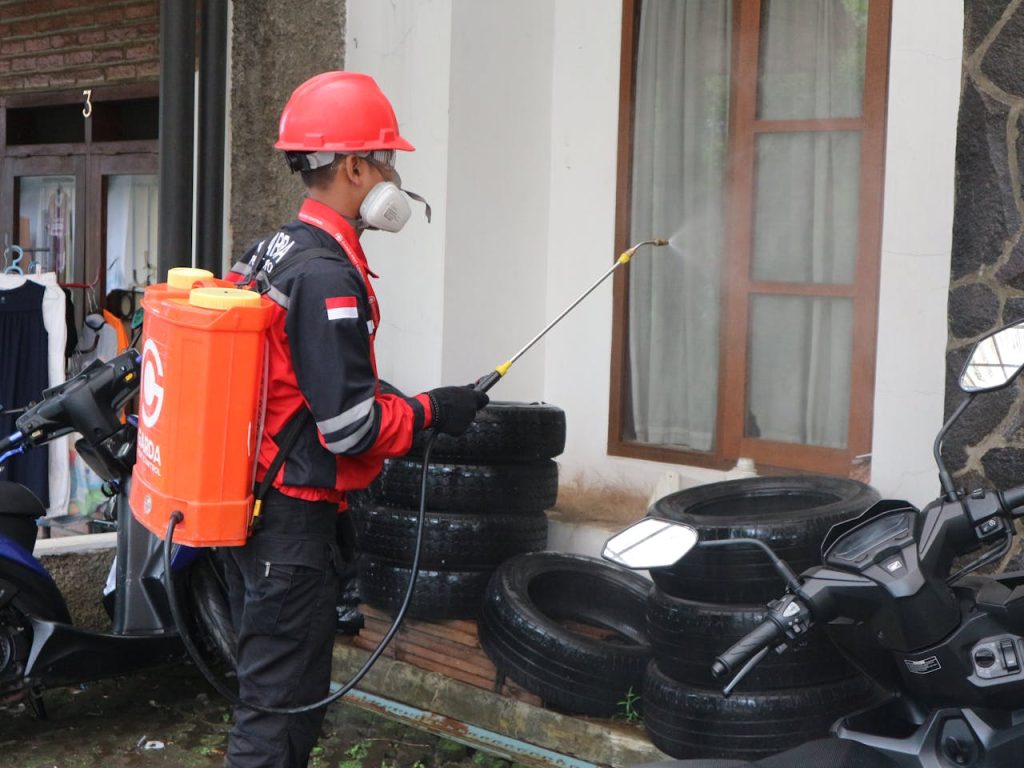
Pest problems can affect any property, whether it’s a family home or a large commercial facility. While the presence of unwanted insects or rodents may seem like a universal issue, the approach to managing these infestations varies significantly depending on the setting. Understanding these differences is essential for property owners who want effective, compliant, and long-lasting solutions.
In South Africa, the demand for professional pest services continues to grow as both homeowners and businesses recognise the risks associated with untreated infestations. Health concerns, structural damage, and reputational harm all play a role in driving the need for tailored pest management strategies. Many people searching for reliable providers often come across platforms like pestmanagers.co.za when comparing service options and expertise.
Although the core goal remains the same—eliminating pests and preventing their return—the methods, regulations, and expectations differ between residential and commercial environments. Knowing what sets them apart helps you choose the right service and avoid costly mistakes.
Understanding the Core Differences Between Residential and Commercial Pest Control
At a high level, residential pest control focuses on private living spaces such as houses, apartments, and townhomes. Commercial pest control, on the other hand, applies to business environments like offices, restaurants, warehouses, and industrial facilities.
The distinction goes beyond property type. It influences everything from treatment frequency to compliance requirements.
Residential services are typically reactive. Homeowners call in professionals when they notice a problem—ants in the kitchen, termites in the walls, or rodents in the roof. Commercial services are more proactive and structured, often involving ongoing contracts and scheduled inspections.
Scale is another defining factor. A single-family home requires a very different approach compared to a multi-story office building or a food processing plant.
Key Factors That Set Residential and Commercial Services Apart
To better understand how these services differ, consider the following core elements:
- Scope of Treatment
Residential pest control targets smaller, contained areas. Commercial pest control often covers large premises with multiple zones, including storage areas, kitchens, and public spaces. - Frequency of Service
Home treatments may occur quarterly or as needed. Businesses usually require monthly or even weekly visits to maintain compliance and prevent infestations. - Regulatory Requirements
Commercial properties must adhere to strict health and safety regulations, especially in industries like food service and healthcare. Residential properties face fewer formal requirements. - Type of Pests Managed
While there is some overlap, commercial environments often deal with pests linked to high human traffic and food handling, such as cockroaches and flies. Residential settings may see more seasonal or lifestyle-related infestations. - Documentation and Reporting
Businesses need detailed service reports, audit trails, and compliance documentation. Homeowners typically receive simpler service summaries.
Each of these factors contributes to the overall complexity and cost of pest control services.
Treatment Methods and Safety Considerations
The methods used in pest control are carefully selected based on the environment and level of risk involved. In residential settings, treatments are often designed to minimise disruption to daily life. Low-toxicity products and targeted applications are common, especially in homes with children or pets.
Commercial pest control requires a more strategic approach. Treatments must be effective while also ensuring the safety of employees, customers, and products. This often involves integrated pest management (IPM) techniques, which combine chemical treatments with environmental controls, monitoring systems, and preventive measures.
Safety protocols are also more stringent in commercial environments. Technicians must follow industry-specific guidelines, use approved chemicals, and ensure that treatments do not contaminate food or sensitive materials.
In some cases, treatments may need to be scheduled outside of operating hours to avoid disruptions.
Compliance and Legal Responsibilities
Regulation plays a major role in distinguishing commercial pest control from residential services. Businesses, particularly those in food production or hospitality, are subject to regular inspections by health authorities.
Failure to maintain proper pest control measures can result in fines, closures, or damage to brand reputation.
Commercial pest control providers must:
- Maintain detailed service records
- Use approved and regulated products
- Provide compliance certificates when required
- Support clients during inspections and audits
Residential pest control, while still important, does not involve the same level of legal oversight. Homeowners are primarily responsible for maintaining a safe living environment, but they are not subject to routine inspections.
That said, neglecting pest issues in a home can still lead to serious health and structural risks.
Cost Structures and Service Agreements
Cost is another area where the differences become clear. Residential pest control is usually priced per treatment or as part of a simple maintenance plan. The pricing depends on factors like property size, type of pest, and severity of the infestation.
Commercial pest control is typically based on long-term contracts. These agreements outline the frequency of visits, scope of work, and compliance requirements. Because of the complexity involved, commercial services tend to be more expensive, but they also provide continuous protection.
It’s not just about eliminating pests—it’s about maintaining a pest-free environment over time.
Short-term fixes are rarely sufficient in commercial settings.
Customisation and Strategic Planning
One of the most important distinctions lies in the level of customisation involved. Residential pest control plans are often standardised, with adjustments made for specific infestations.
Commercial pest control, however, requires a tailored strategy. Each business has unique risks based on its industry, location, and operations.
For example:
- A restaurant needs strict kitchen hygiene controls and frequent inspections
- A warehouse may require rodent monitoring systems and perimeter protection
- An office building might focus on preventive measures and minimal disruption
This level of planning ensures that pest control measures align with operational needs and regulatory standards.
It also reduces the likelihood of recurring infestations.
Choosing the Right Service Provider
Selecting a pest control provider should never be a rushed decision. Whether you’re a homeowner or a business owner, it’s important to evaluate experience, certifications, and service offerings.
For residential needs, look for providers who offer flexible scheduling, safe treatment options, and clear communication.
For commercial requirements, prioritise companies with proven expertise in your industry. They should understand compliance standards and be able to provide detailed documentation.
Many people researching options often compare providers listed among the top 10 pest control in SA to gauge reliability and service quality. Reputation matters.
Long-Term Prevention and Maintenance
Effective pest control is not just about removing existing infestations—it’s about preventing future ones. This principle applies to both residential and commercial settings, but the execution differs.
Homeowners can take simple steps like sealing entry points, maintaining cleanliness, and scheduling periodic inspections.
Businesses must implement comprehensive prevention plans that include:
- Regular inspections and monitoring systems
- Staff training on hygiene and waste management
- Structural maintenance to eliminate entry points
- Ongoing collaboration with pest control professionals
These measures create a proactive defence against infestations. Consistency is key.
Making an Informed Decision for Your Property
Understanding the differences between residential and commercial pest control allows you to make smarter decisions about protecting your property. Each approach is designed to address specific challenges, and choosing the wrong type of service can lead to ineffective results.
While residential pest control offers convenience and targeted solutions for everyday living spaces, commercial pest control delivers structured, compliant, and scalable strategies for businesses.
The right choice depends on your environment, level of risk, and long-term goals. By aligning your needs with the appropriate service model, you can ensure a safer, healthier, and pest-free space without unnecessary complications.